
5 easy mistakes everyone makes…when their loved-one has aphasia
For every new client with aphasia I meet, the biggest challenge they are often facing is navigating conversations with the people closest to them. Everyone is trying their best but feeling tired, dissatisfied and unsure. Client’s relatives say, “I don’t understand what they want” and “I wish I knew how to help them”. Meanwhile, clients communicate with me in sessions about their frustration, are frequently tearful and feel like giving up.
Here I share the top 5 mistakes I see people make and how to avoid them.

Number One
They communicate at their usual pace.
Life is busy and we are used to talking to others at a certain pace. The first challenge is to give yourself more time for conversations. Say something slightly slower than you used to, at the usual volume, with brief (2-3 second) pauses…
“Yesterday [brief pause] I went shopping [brief pause] I met Jean.
Avoid rapid topic changes and be prepared to re-phrase and repeat if needed. Follow the individualised recommendations from your speech and language therapist too.
Number Two
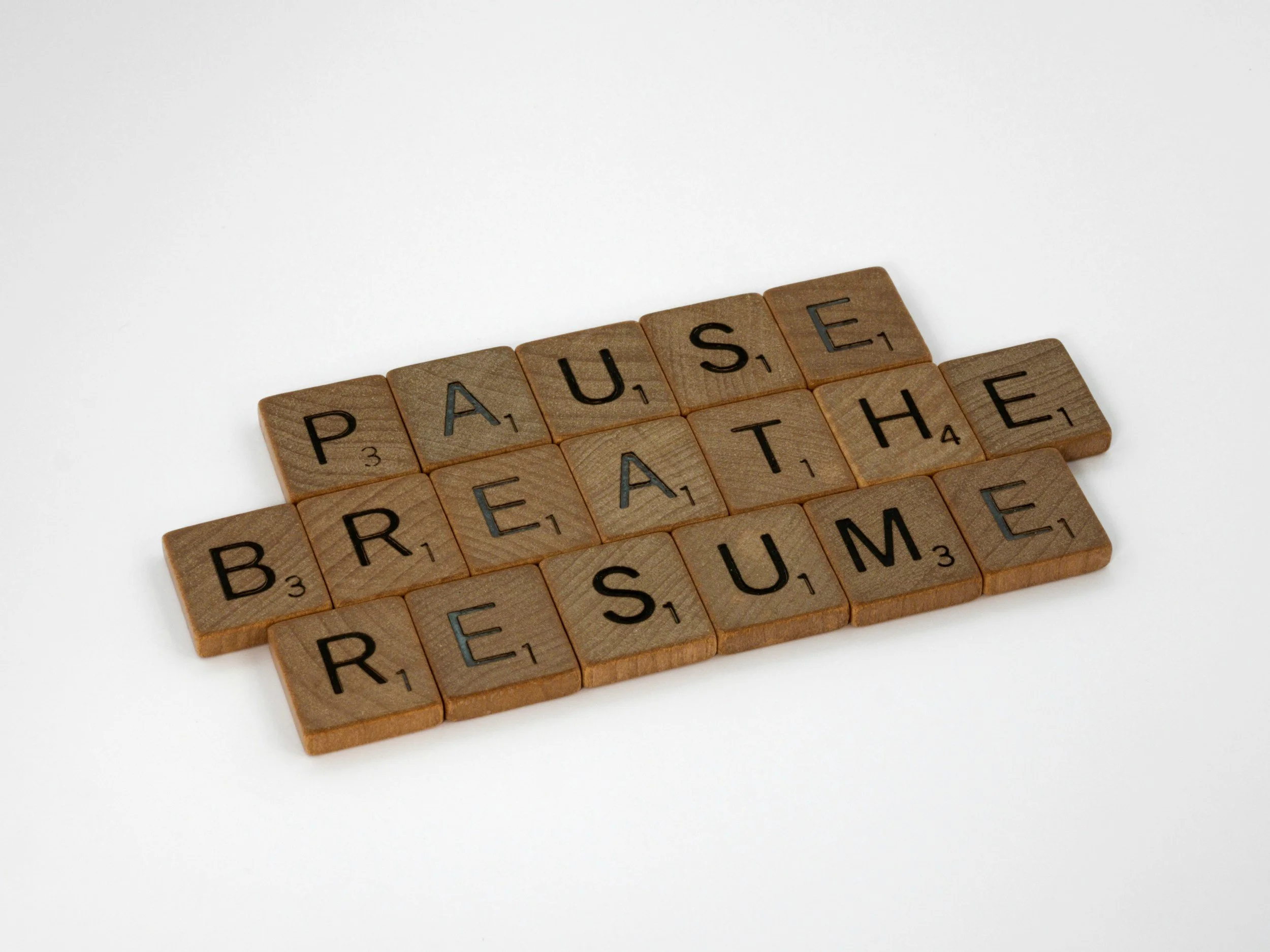
They fear the pause.
We rush in to fill space in conversation. We fear a long pause and worry that everyone is feeling awkward. If you find this challenging take several slow, deep breaths whilst you wait for a response. Wait for at least 20 seconds and then…wait some more! Adopt an encouraging facial expression and show that you’re happy to wait.

Number Three
They underestimate fatigue.
The brain is never really “resting”. It is constantly involved in making sure the body systems are working. When someone has aphasia, their brain has undergone a change and so the brain’s usual jobs are working much harder than before. Activities like listening to someone talking and then trying to respond will be exhausting. Sitting still in a busy hospital ward will be exhausting. Reading a menu and choosing what to have for lunch will be exhausting.
Signs of fatigue are different for everyone and might not look like needing to sleep. Instead, fatigue might show up with the person being quicker to temper, avoiding interaction, staring into space or a reduced ability to respond.
Look out for the individual signs of fatigue for your loved-one. Be ready to minimise demands where possible and try out things that might offer the brain rest (one at a time). This might be a nap but it could also be:
giving them headphones to listen to a favourite playlist of music or familiar audio book
taking them outside to walk around or sit quietly in nature
giving them a hand massage or painting their nails
Try to minimise the demands of listening or talking on the person whilst doing these activities.

Number Four
They do too much at once.
We are used to being able to have a conversation in a busy place whilst also replying to emails on our phone. Often people with aphasia can become more easily distracted by other competing noise or activity. Therefore, focusing only on them and your conversation is key to success. This is also where careful pausing and managing fatigue comes in to play.

Number Five
They underestimate their abilities.
Undoubtedly there are challenges to overcome. Everyone is learning new skills and this takes time. However, positive changes are possible with benefits for everyone involved. Speech and language therapists can provide individualised therapy to clients and their conversation partners. Critical to the success of this therapy will be your knowledge of the person with aphasia and your willingness to support them.
A key resource I frequently recommend is The Better Conversations with Aphasia e-learning resource. This is free for anyone wanting to improve their communication with someone with aphasia and can be completed at your own pace.
Rotherham, A., Shrubsole, K., Croteau, C., Hilari, K., & Wallace, S. J. (2025). “The most important thing is having patience, both of us.” Successful conversations from the perspective of people with aphasia and their primary conversation partners. Disability and Rehabilitation, 1–17.
